
Additionally, Know about Kalama Sutta, a discourse on life taught by Gautama Buddha- https://youtu.be/Aj8sGQSBkqQ?si=uuJSLMfTF08kE-Q4
The Buddha’s Advice to the Kalamas: A Lesson in Critical Thinking
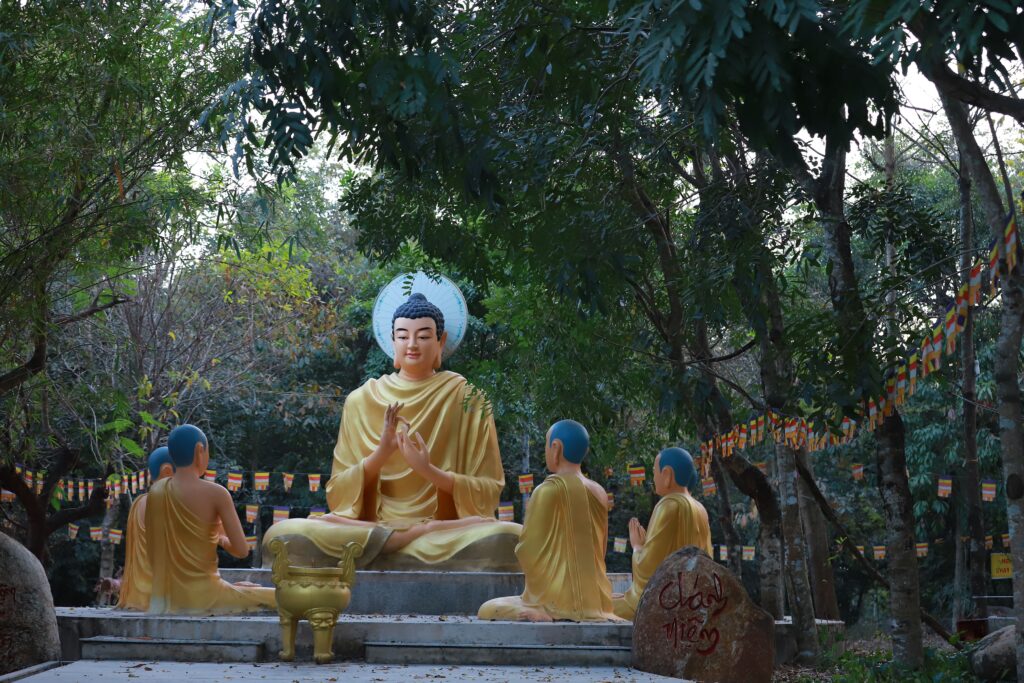
The Kalamas of Kesaputta tell of a group of people who approached the Buddha.
However, they were confused by the many teachers and religious traditions they encountered.
Different monks and teachers claimed that their own teachings were correct while dismissing the views of others.
The Kalamas wanted to know how they could distinguish truth from falsehood.
Rather than asking them to accept his words simply because he was a respected teacher, the Buddha encouraged examination.
Additionally, they should examine claims carefully.
Moreover, they should not accept it simply because it was part of tradition.
It should not be accepted because it appeared in scripture.
It should not be accepted because others believed it or because the presenter seemed authoritative.
Instead, they should consider what they themselves could recognize as harmful or beneficial through careful reflection and experience.
The Buddha then focused on three powerful sources of harmful behaviour: greed, hatred, and delusion. He explained that when people become controlled by these tendencies, they can be led toward destructive actions such as violence, theft, sexual misconduct, and dishonesty. Such behaviour ultimately brings suffering to the individual and can also influence others to act in the same way.
He presented the opposite qualities as a basis for a beneficial life. When a person is free from greed, hatred, and delusion, their actions are less likely to cause harm. Such a person avoids destructive conduct and encourages others to do the same. These qualities, according to the teaching, lead toward well-being and happiness.
The teaching goes further by describing four expansive attitudes that a person can cultivate: loving-kindness, compassion, appreciative joy, and equanimity. These qualities are not meant to be restricted to friends or people we like. They are described as attitudes that can be extended toward all living beings, without hostility or ill will.
The Buddha also describes what the text calls four forms of reassurance or solace. A person who lives with a purified and compassionate mind can find peace regardless of uncertainty about what happens after death. Whether there is a future life and consequences of actions, or whether there is not, a person who avoids hatred and harmful behaviour can still experience security and happiness in the present.
The Kalamas responded with appreciation, recognizing the value of the Buddha’s teaching. They ultimately declared their commitment to the Buddha, the Dhamma, and the community of monks, becoming lay followers.
The central message
From Buddha’s teaching, the lasting lesson is that wisdom should not be based on blind acceptance. Additionally, tradition, authority, repetition, and reputation alone are not presented as sufficient reasons to believe something. Therefore, the teaching urges people to examine ideas, observe consequences, and judge whether they lead to harm or well-being.
For a modern reader, this makes the Kalama teaching especially relevant. It can be understood as an invitation to think independently while also paying close attention to the ethical consequences of our choices. Rather than simply asking, “Who said this?”, we can ask, “Where does this belief or behaviour lead?”
To know more about living life, you can practice living a peaceful, calm and positive life. To book a consultation, Contact